top of page
CHA Workshop: 15 November, 2025


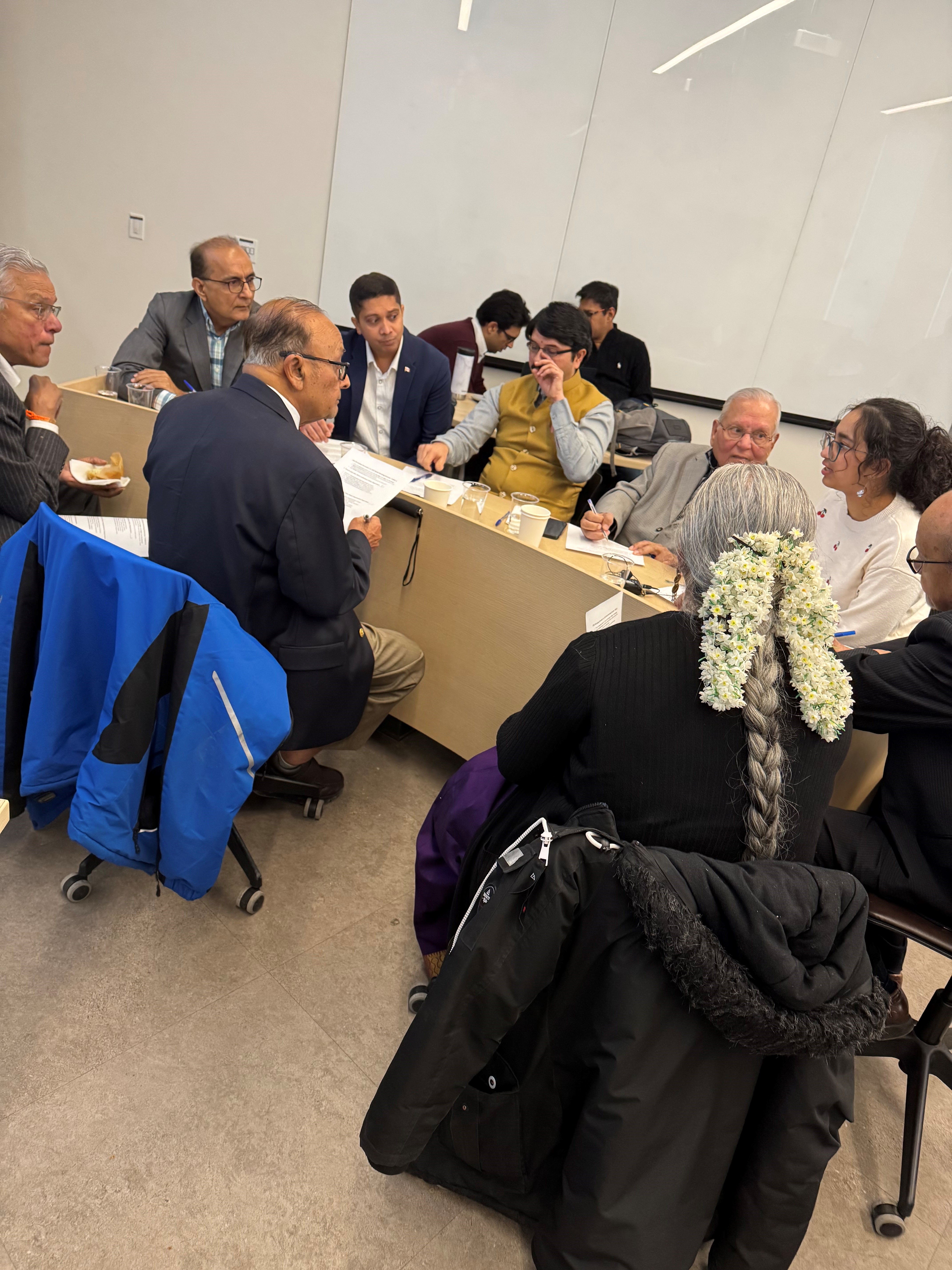
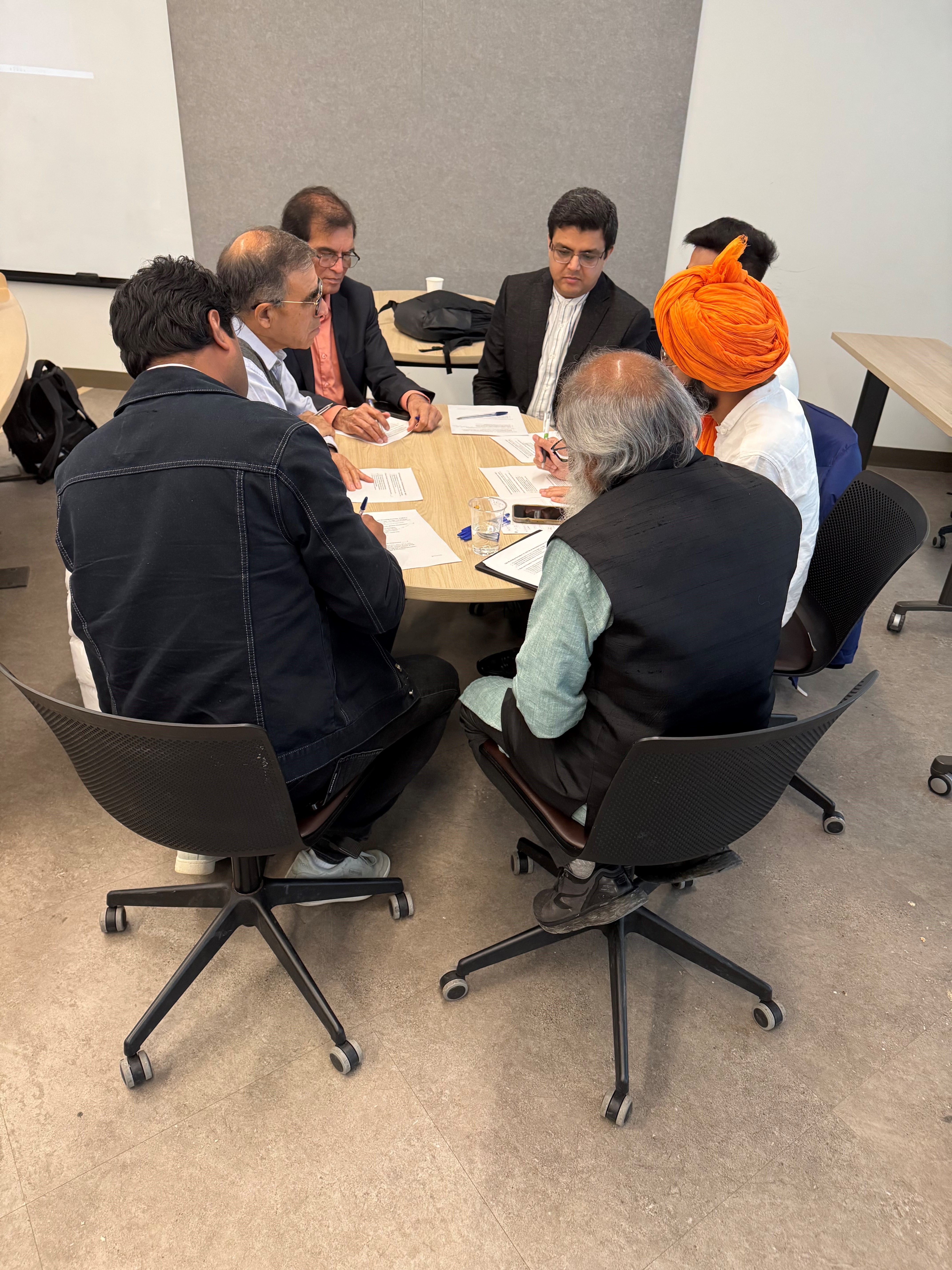
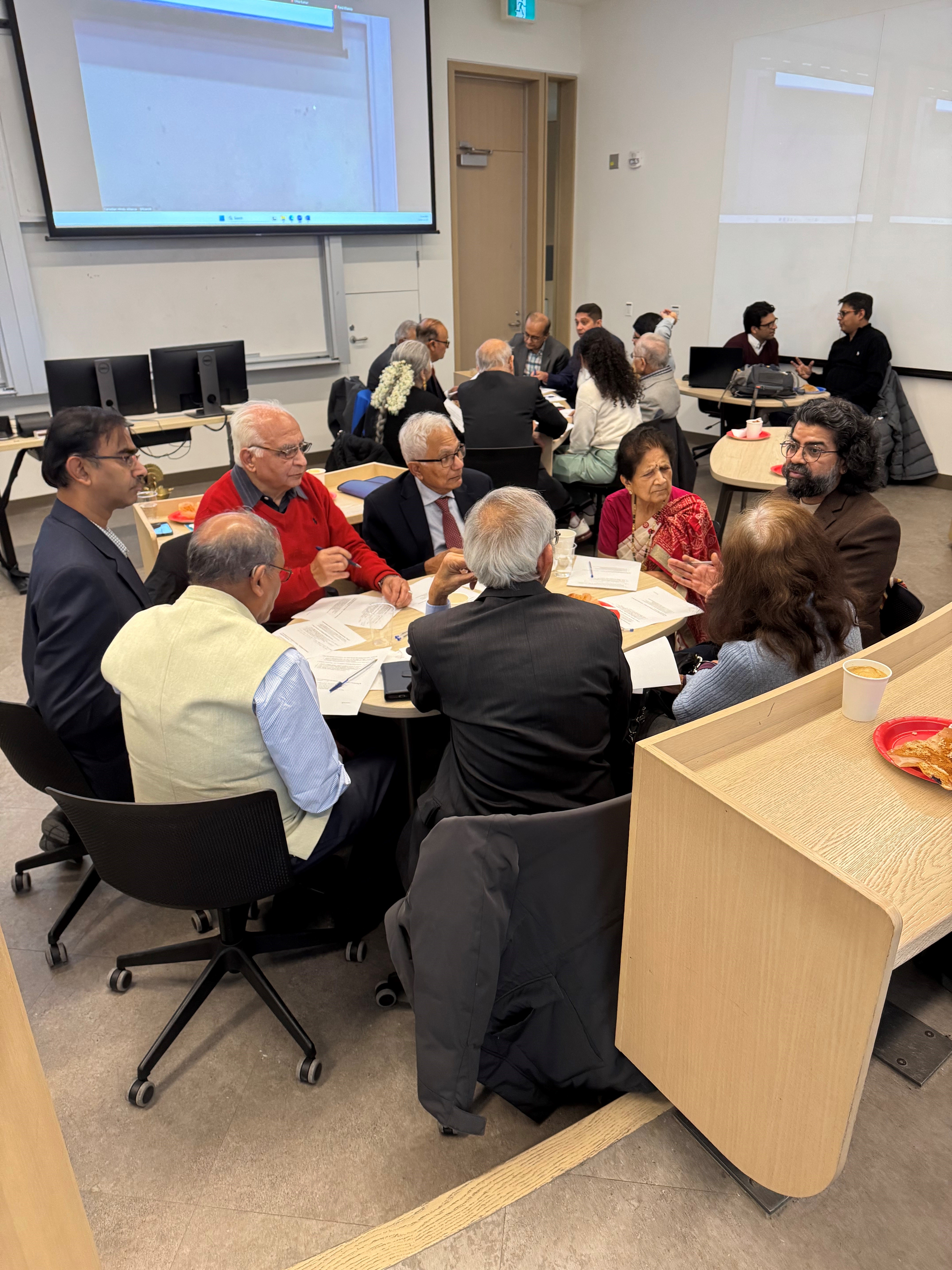
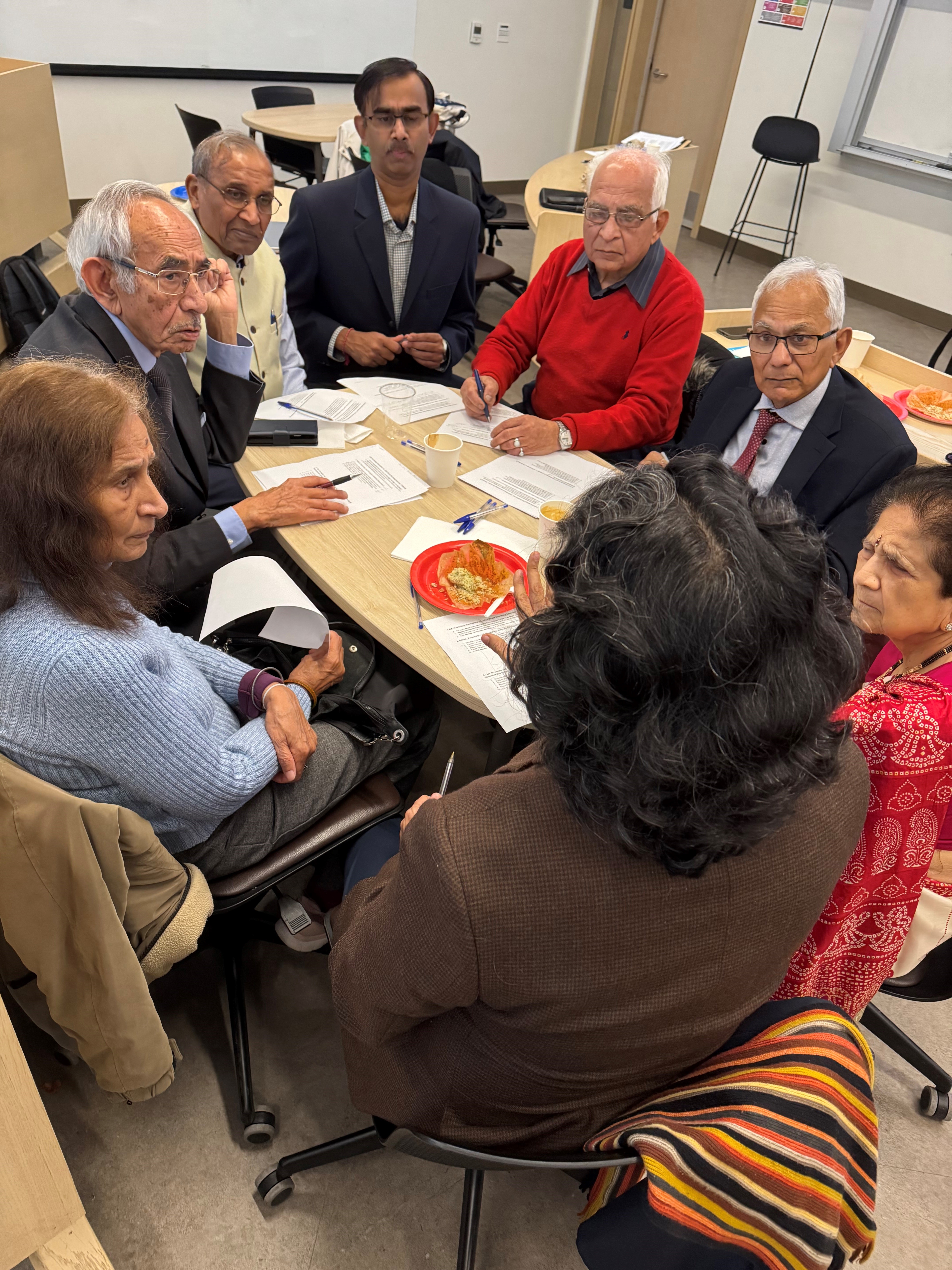
Executive Summary: Brainstorming Study Report on Key Issues Facing Hindus in Canada (Manifesto of CHA)
Date of Conference: November 15, 2025 Location: Carleton University
Organizers: Canadian Hindu Alliance (CHA); Convened by Dr. Vinod Kumar and Dr. Uma Kumar
Participants: 27 community leaders (academics, professionals, temple representatives)
1. Overview and Methodology
This report synthesizes the findings of a systematic brainstorming study designed to create a practical roadmap for Hindu organizations in Canada. The study utilized a multi-stage process to ensure rigour and consensus:
-
Initial Consultation: Expert discussions identified seven major issue areas.
-
Drafting: The research team pre-drafted 42 potential action items, six for each of the seven major issues.
-
Workshop Deliberation: On November 15, 2025, participants were divided into three working groups. Through a structured rotation, groups debated specific issues, selected the top three most feasible actions for each, and added missing items where necessary.
-
Finalization: The research team added a fourth action item to each category to ensure completeness. The issue of ‘Civic and Political Empowerment’ being at the heart of all, the team decided to keep all six action items, in all, resulting in 30 finalized recommendations.
2. High-Priority Issues (Rated 5/5)
Participants identified five areas as critical urgencies, rating them 5 out of 5 in importance.
A. Temple and Institutional Safety
-
The Issue: Temples and cultural centers currently operate with informal security practices, making them vulnerable to vandalism and hate incidents.
-
The Consensus: Security must be standardized, professionalized, and nationally coordinated. Incidents must not be minimized or unreported.
-
Key Solutions: Developing comprehensive safety guidelines (CCTV, lighting), educating local police on the cultural significance of temples, accessing government security grants, and establishing a national incident-reporting system to track trends.
B. Civic and Political Empowerment
-
The Issue: A lack of political literacy and presence means Hindu concerns are often overlooked or misrepresented in policy discussions.
-
The Consensus: Hindus must participate as informed, non-partisan citizens rather than a voting bloc. "If Hindus are not at the table, our concerns may be overlooked."
-
Key Solutions: Launching non-partisan voter education drives, encouraging community members to join local boards (school, hospital, municipal), grooming youth in public policy, building long-term, respectful relationships with MPs and MPPs., and encouraging and assisting Hindu You to contest for MPP and MP positions.
C. Partnership and Coalition Building
-
The Issue: Hindu organizations currently work in silos, diluting their influence and leading to conflicting messaging.
-
The Consensus: Transparency and cooperation are essential. Organizations must act for the community as a whole, not just their individual brands.
-
Key Solutions: Sharing resources and speakers, issuing joint statements on national issues (to avoid confusing policymakers), building regional networks (e.g., Prairies, GTA, Quebec), forming a National Hindu Coordination Council, and consider working with Jews and Sikhs.
D. Recognizing Strengths and Contributions
-
The Issue: Despite high achievement in science, medicine, and philanthropy, the collective impact of Hindu Canadians is undocumented and invisible to the wider public.
-
The Consensus: The community must control its own narrative by systematically documenting and showcasing its contributions to Canadian nation-building.
-
Key Solutions: Publishing annual reports on Hindu contributions, disseminating research to media and schools, maintaining a directory of Hindu professionals/experts, and utilizing social media to highlight "unknown" success stories.
E. Bill C-9: The Swastika vs. Hakenkreuz
-
The Issue: The wording of Bill C-9 risks misinterpreting the Swastika (a sacred symbol of well-being) as a hate symbol, leading to the potential criminalization or harassment of innocent Hindus.
-
The Consensus: A unified, fact-based response is required to distinguish the religious Swastika from the Nazi Hakenkreuz.
-
Key Solutions: Creating a simple legal explainer for the community, coordinating national petitions, building alliances with other affected groups (Jains, Buddhists, Indigenous), and engaging MPs with factual briefs.
3. Significant Issues (Rated 4/5)
Two issues were rated 4 out of 5, viewed as persistent challenges that require steady, long-term intervention.
F. School, University, and Workplace Bullying
-
The Issue: Hindu students face misrepresentation, ridicule, and unfair classroom narratives.
-
The Consensus: Support must be institutionalized through toolkits and partnerships, not just handled case-by-case.
-
Key Solutions: Consolidating existing resources into a "Hindu Student Support Toolkit," training volunteers to deliver awareness workshops in schools, partnering with school boards for anti-bullying training, and establishing "Hindu Youth Ambassadors" in universities.
G. Hinduphobia (Hate and Prejudice)
-
The Issue: Biased narratives and media misinformation regarding Hinduism are persistent.
-
The Consensus: The community must be proactive rather than reactive, correcting false information immediately.
-
Key Solutions: Monitoring and documenting biased reporting, engaging journalists through proactive briefings, producing a "Hindu Fact Sheet" for media and government, and collaborating with interfaith groups to correct misconceptions.
Actionable Items: Prioritized Roadmap
The following list reorganizes the report’s recommendations into a prioritized execution strategy. Tier 1 focuses on immediate threats and legislative time constraints (Priority 5/5). Tier 2 focuses on structural strengthening and capacity building (Priority 5/5). Tier 3 focuses on ongoing education and reputation management (Priority 4/5).
Tier 1: Critical Defense & Safety (Immediate Execution)
These items address physical safety and legislative threats.
-
C-9 Intervention: [Efforts successful; Krishna and his group to decide what next step, if any, to be Taken]
-
Produce Legal Explainer: Create a plain-language document on Bill C-9 risks and the Swastika/Hakenkreuz distinction for community distribution.
-
Coordinate Advocacy: Launch national petitions and submit unified briefs to the Parliamentary standing committee.
-
Build Alliances: Form a coalition with Jain, Buddhist, and Indigenous groups to present a united front on the symbol issue.
-
-
Temple Security Hardening:[Tier 1, 2026]
-
Grant Applications: Immediately assist temples (especially smaller/rural ones) in applying for provincial/federal security grants to fund CCTV and fencing.
-
Issue Safety Guidelines: Distribute a standard protocol for incident reporting and video footage preservation to all temple boards.
-
Police Liaison: Initiate briefings with local police precincts to explain temple significance and expectancies regarding hate crime responses.
-
Temples Database: Gather email, phone, website of 290+ temples in Canada.
-
-
Formalizing CHA: [Tier 1, 2026] Institution building
-
CHA Legal Status: Registration, CHA structure, Address, Bank account, email, Web domain, Facebook etc. 2026
-
Web Presence: Basic Phase 1 of Website 2026
-
Membership: Discuss purpose; consider obligations 2026/2027
-
Fundraising: [Plan in 2026; Execution in 2027]
-
Build Capacity: Add one to three new members in the board.
-
Tier 2: Structural Unity & Civic Power (Short-to-Medium Term)
These items build the political and organizational muscle required to sustain the community.
-
Coalition & Partnership Building: [Tier 2, 2026/27]
-
Joint Statements: Establish a protocol where major Hindu organizations agree to vet and co-sign statements on national issues before releasing them.
-
Regional Hindu Networks: Convene initial meetings to form regional networks (e.g., GTA, Western Canada) to pool resources.
-
Working Together with non-Hindus: Consider partnership with Jews society and Sikhs samaj.
-
-
Civic Engagement: [Tier 2, 2026/27]
-
Voter Education: Launch non-partisan workshops explaining the importance of voting to everyone, especially to seniors and youth.
-
Board Representation: Identify and encourage 5-10 qualified community members to apply for local municipal or hospital boards in key districts.
-
Youth Policy Internships: Establish a mentorship program (HAVA model) connecting youth with MPs/MPPs offices.
-
Encouraging & Funding Hindu Candidates: Identify Hindu candidates for MPP and MP positions, assist them in many ways, including dedicated funds.
-
-
Documenting Contributions: [Tier 3, Initiate in 2026, 1st release 2027]
-
Annual Report: Commission the first annual report on "Hindu Contributions to Canada" to aggregate data on philanthropy and professional achievements.
-
Tier 3: Education & Perception (Ongoing/Long Term)
These items address the cultural climate, bullying, and controlling media narrative.
-
Anti-Bullying & Education: [Tier 3, 2026/2027]
-
Student Toolkit: Consolidate existing materials from CoHNA/temples into a single, downloadable "Student Support Toolkit" for parents and teachers.
-
School Board Outreach: Approach school trustees with a ready-made "Hindu Awareness" module for teacher training days.
-
-
Media Perception & Education: [Tier 3, 2026/2027]
-
Fact Sheet Distribution: Create and distribute a "Hindu Fact Sheet" to major media houses and editorial boards.
-
Misinformation Tracker: Set up a centralized digital log on website for reporting and tracking instances of media bias or stereotypes.
-
Prepared by Vinod Kumar and Uma Kumar
bottom of page